Basement repair cost factors begin with scope, not an online average. Two proposals that use the same service label can include different diagnosis, materials, access, drainage, electrical work, permits, restoration, warranty, and exclusions. These nine questions help Rochester homeowners compare what is actually being proposed without guessing a price for an unseen property.
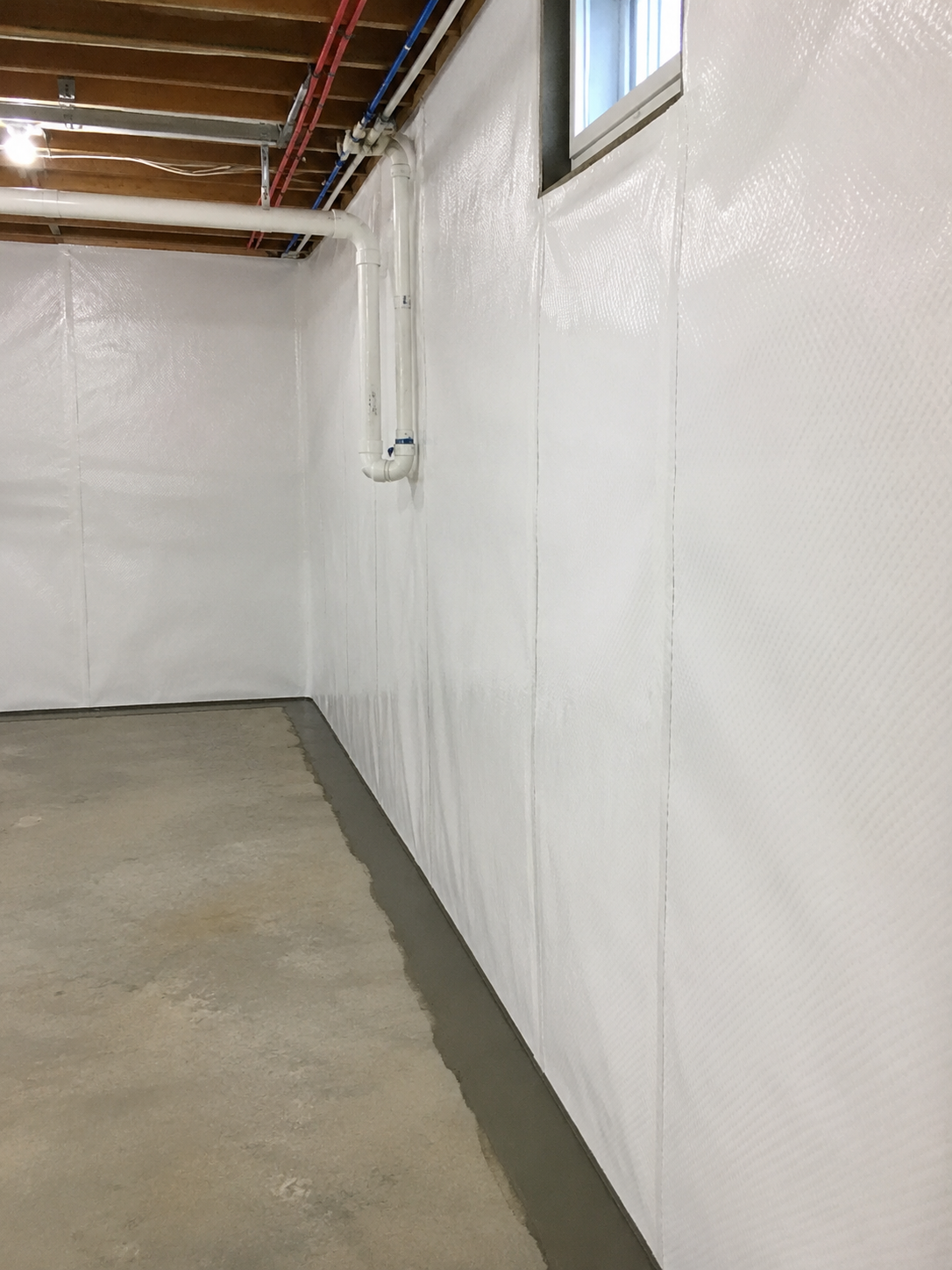
Basement Repair Cost Factors: Nine Scope Questions
1. What observed condition is the proposal intended to address?
Ask the proposer to name the evidence: one leaking crack, floor-wall seepage, a failed pump, poor exterior drainage, high humidity, a displaced wall, plumbing water, or several conditions together. A proposal should connect the work to an observed pathway or structural concern rather than only to a product name.
2. How much of the basement or wall is included?
Record length, area, depth, number of cracks, number of walls, pit and pump count, and discharge distance. Confirm whether the scope covers one location or a full perimeter. Ask how hidden conditions or a changed quantity will be documented and priced before extra work proceeds.
3. Is the work moisture control, structural repair, or both?
Stopping a water path and stabilizing a moving wall are different objectives. A coating, drain, crack injection, sump, brace, anchor, beam, excavation, or rebuild solves a different part of the problem. The bowed wall guide and efflorescence guide help separate structural and moisture observations before scope comparison.
4. What access, demolition, excavation, and restoration are required?
Finished walls, flooring, stairs, utilities, porches, driveways, decks, landscaping, narrow property lines, buried services, and interior storage can change the sequence and labor. Confirm who moves contents, protects the home, removes debris, restores finishes, replaces soil or pavement, and handles unexpected obstructions.
5. Which drainage, pump, discharge, plumbing, or electrical items are included?
A waterproofing proposal may depend on a sump pit, pump, backup, alarm, dedicated power, check valve, exterior outlet, or a lawful drainage connection. Ask whether those items are included, allowances, or separate trades. A shared discharge route or electrical change should not remain an unstated assumption.
6. Are engineering, permits, inspections, and drawings part of the scope?
Structural work or significant electrical, plumbing, excavation, or alteration may trigger local requirements. Ask who determines the requirement, prepares documents, submits the permit, schedules inspections, pays fees, responds to corrections, and closes the permit. Do not accept a blanket claim that a type of work never needs review.
7. What material, system, quantity, and performance outcome are specified?
Compare product or system name, material thickness or capacity where relevant, layout, fastening or connection, drainage route, pump model, backup, finish, and testing. Ask what the completed system is intended to do and what it does not address. A longer material list is not automatically a better diagnosis.
8. What preparation, cleanup, protection, and finish work are included?
Dust control, temporary protection, utility coordination, removal of wet materials, hauling, cleaning, concrete replacement, trim, paint, flooring, landscaping, and final testing can be included, excluded, or assigned to the homeowner. Put each responsibility in writing so the proposals can be compared on the same basis.
9. How do contract terms allocate changes, payment, warranty, and responsibility?
Review the payment schedule, start and completion expectations, change-order process, cancellation terms, warranty provider, maintenance duties, exclusions, dispute process, insurance, and permit responsibility. Clarify whether the party signing the contract is the same business performing and warranting the work.
An Apples-to-Apples Proposal Table
| Scope field | Proposal A | Proposal B |
|---|---|---|
| Observed condition and intended outcome | Write exact language | Write exact language |
| Measured quantity and work area | Length, count, area | Length, count, area |
| Access, demolition, and restoration | Included / excluded | Included / excluded |
| Drainage, pump, electrical, plumbing | Included / allowance / separate | Included / allowance / separate |
| Permit, inspection, engineering | Party and allowance | Party and allowance |
| Change orders, payment, warranty | Written terms | Written terms |
Why an Online Average Is Not a Property Estimate
Public price ranges rarely control for the basement repair cost factors that change real scope: wall type, water path, structural condition, linear footage, access, excavation depth, disposal, finish restoration, permit requirements, system capacity, and warranty. A low headline number may describe a small isolated repair; a high number may include a different objective and much larger scope. Use online figures only as background, never as proof that a specific proposal is fair or complete.
Rochester and New York Contract Checks
Permits and inspections are among the basement repair cost factors that vary by location and work type. The City of Rochester building-permit page says structural repairs typically require permits and explains that fees vary with project type and scale. It also notes that inspections and permit closeout are part of the process. For a property outside the city, check the town or village authority that has jurisdiction.
The New York Attorney General home-improvement fact sheet explains that state law requires a written contract for home-improvement work and describes core contract and payment protections. The FTC home-improvement guidance recommends comparing written estimates, checking references and qualifications, and avoiding pressure to decide immediately.
Connect the Scope to the Right Service Guide
- Basement waterproofing in Rochester for recurring wall, joint, or slab seepage
- Foundation repair in Rochester for movement, displacement, or stability questions
- Foundation crack repair for a focused crack and its movement or leakage
- Sump pump installation and the sump pump backup plan for pumping, backup, alarm, and discharge
Bring the basement repair cost factors you documented to each conversation, then compare written scope before total price. Request a Rochester basement-contractor match.
Service disclosure: Rochester Basement Repair is an information and contractor-referral service, not a contractor, estimator, engineer, attorney, or permit authority. It does not set prices, inspect properties, negotiate contracts, perform work, or guarantee a match. Contractors are independent businesses; verify qualifications, insurance, references, scope, permits, payment terms, and warranties.